Breast cancer is the second leading cause of cancer death for Native women. Breast cancer occurs when breast cells grow abnormally and uncontrollably, forming tumors.
These tumors can be benign (non-cancerous) or malignant (cancerous). Malignant tumors can spread to other parts of the body. Most breast cancers start in the milk-producing glands or the ducts that carry milk to the nipple. Keeping up with regular screenings improves early detection and may help save your life.
Breast Cancer Facts
Breast cancer is the most common cancer found in women.
Breast cancer is the second leading cause of cancer death for Native women.
Native American women are more likely to be diagnosed at later stages of breast cancer, compared to non-Hispanic white women.
Approximately 1 in 8 women will get breast cancer in their lifetimes.
Screening Guidelines
Screening Tests: Clinical breast exam, Mammography, Breast MRI
Screening Age: 40 – 74
Frequency: Every two years
Screening should continue as long as a woman is in good health and is expected to live at least 10 more years.
Native women should always talk to a doctor or nurse right away if they notice any changes in
their breasts and also about their individual risk and the best screening schedule for them.
Breast
Self-Awareness
People can get familiar with their breast tissue by learning how they look and feel. This can help you notice any changes in your breast tissue. These changes can include lumps, pain, tissue discoloration or texture changes, and size. If you have any concerns about your breast tissue, talk to your health care provider as soon as possible.
What Tests are Used in Breast
Cancer Screening?
Clinical Breast Exam
A health care provider examines your breast tissue with their hands to feel for lumps and other abnormalities.
Breast Magnetic
Resonance Imaging
(MRI)
Pictures of your breast tissue are taken through the use of magnets and radio waves. An MRI is used with a mammogram to screen people that are at a higher risk for developing breast cancer. An MRI can show abnormalities even when there isn’t cancer.
Mammograms
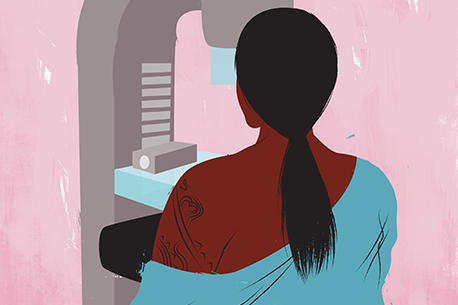
These screenings take a look at your breast tissue through an X-ray. Having regular mammograms can increase your chances of surviving breast cancer by detecting cancer in earlier stages.
Breast Cancer Awareness Campaign
(October): Indigenous Pink
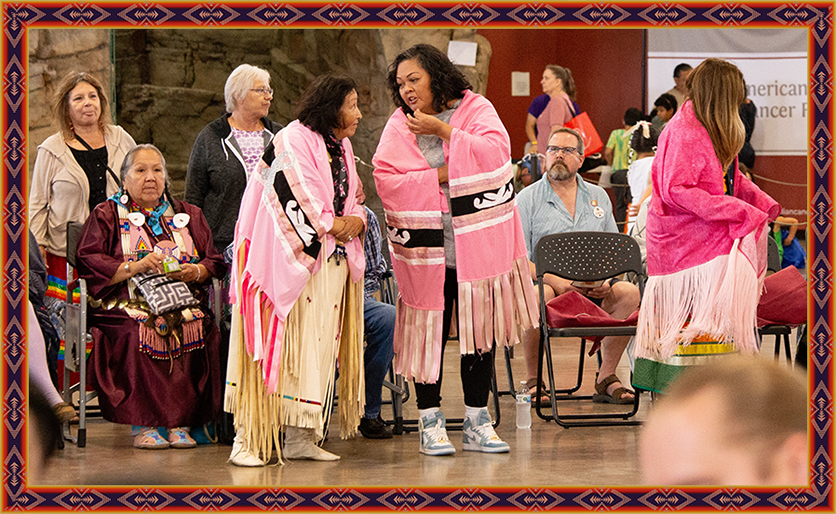
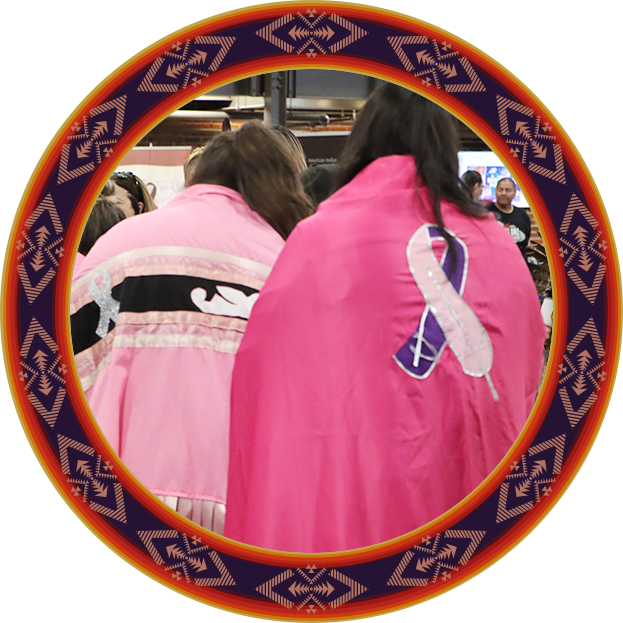
Indigenous Pink Day is AICAF’s national breast cancer awareness campaign. Our
team invites AI/AN people of all ages to join us by wearing pink and sharing photos
on social media using the hashtag #IndigenousPink to raise awareness of breast
cancer across Indian Country.
Breast cancer is the most common cancer among Native women, and is the second leading cause of cancer death. However, all bodies have breast tissue and are at risk for developing breast cancer. Indigenous Pink Day aims to educate Native communities about the importance of early detection, and remind women, men, non-binary, and genderfluid relatives to talk to their doctors about breast cancer screening. Because this national campaign happens on a digital platform, community members are able to participate from anywhere!
Support relatives across Indian Country by sharing Indigenous Pink breast cancer resources and screening opportunities. Cherish relatives by using inclusive language when sharing that anyone can get breast cancer.
Wear
Wear pink clothing and/or jewelry to raise awareness about breast cancer screening and early detection in AI/AN communities. Spread the word to friends, family, and coworkers to help raise awareness of breast cancer in Indian Country.
Share
Share a picture of yourself wearing pink on AICAF’s social media using the hashtag #IndigenousPink. Talk to your friends and family about the importance of screening and encourage them to adopt healthy habits.
Talk to your healthcare provider for advice and information on breast cancer screenings. Talk to your loved ones about the importance of early detection and encourage them to schedule a mammogram. Make an Indigenous Pink Screening Pledge today!!
Learn
Engage with us the entire month of October as we provide new breast cancer resources, toolkits, and webinars. Stay informed about breast health and share our educational materials with your loved ones!
Host an Event
Plan to host a community event to engage and promote early detection and timely cancer screenings. Check out our Campaign Toolkit for more information and ideas.
Join the AICAF Community
Like the American Indian Cancer Foundation on Facebook and Instagram, follow us on Twitter, and sign up for our newsletter.
If you are interested in partnering with us for an Indigenous Pink event in your community or at
your clinic, please contact health@aicaf.org.
Screen Our Circle
Screen Our Circle is AICAF’s National Breast and Cervical Cancer Early Detection Program funded by the Centers for Disease Control and Prevention (CDC).
It aims to increase cancer screening and early detection rates in Native-serving clinics across the nation, ultimately reducing the impacts of breast and cervical cancer in Indian Country.
Screen Our Circle provides support to Native-serving clinics and helps remove screening barriers by raising awareness of cancer burdens and solutions, promoting health system changes, and facilitating community education and outreach activities.